

How To Lower Your Auto Insurance Premium Instantly
Auto insurance is a necessity for every driver, but that doesn’t mean you should be paying more than you need to. Whether you’re looking for ways to reduce your monthly premium or cut costs over the long term, there are plenty of strategies to lower your auto insurance premium instantly. From adjusting your coverage to taking advantage of discounts, this comprehensive guide will walk you through actionable steps you can take today to save on auto insurance.
Key Takeaways:
- Increasing your deductible and bundling insurance policies can significantly lower your premium.
- Taking advantage of discounts for safe driving, good students, low mileage, and anti-theft devices can help reduce costs.
- Reviewing your coverage and driving a safe vehicle can also contribute to lower premiums.
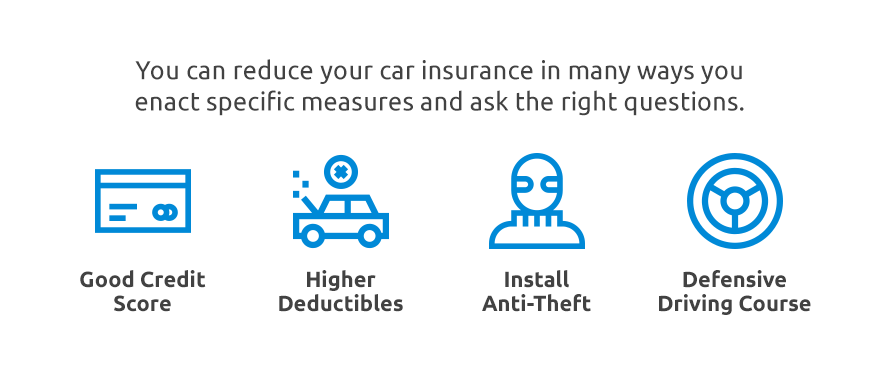
- Maintaining a good credit score is essential for securing lower insurance rates.
Why Lowering Your Auto Insurance Premium is Important
Auto insurance premiums can vary significantly based on several factors, including your age, driving history, and the type of coverage you have. Over time, the cost of insurance can become a significant financial burden, especially if you’re paying for coverage you don’t need or can’t afford. Fortunately, lowering your auto insurance premium is possible without sacrificing protection. By understanding how insurance providers determine rates and taking advantage of available discounts, you can reduce your premium and keep more money in your pocket.
How to Lower Your Auto Insurance Premium Instantly
There are several effective methods to instantly lower your auto insurance premium, ranging from simple changes to your policy to practical actions you can take as a driver. Below, we explore the most efficient ways to reduce your car insurance costs.
1. Increase Your Deductible
One of the quickest ways to lower your auto insurance premium is by increasing your deductible. The deductible is the amount you pay out of pocket before your insurance coverage kicks in after an accident or claim. By choosing a higher deductible, you reduce the risk for the insurance company, which may result in a lower premium.
How It Works:
- A higher deductible means you assume more risk in the event of an accident or damage to your vehicle.
- Insurance companies reward this higher risk assumption with lower premiums.
- For example, increasing your deductible from $500 to $1,000 could save you a significant amount annually.
Things to Consider:
While increasing your deductible can save money on premiums, make sure that the higher deductible is affordable in the event of a claim. It’s essential to have enough funds set aside to cover the higher deductible if necessary.
2. Bundle Your Insurance Policies
Many insurance companies offer significant discounts for bundling auto insurance with other policies such as home insurance, renters’ insurance, or life insurance. If you have multiple insurance policies with different providers, consider consolidating them under one company to take advantage of bundle discounts.
How It Works:
- Insurance companies like Geico, Allstate, and State Farm offer discounts for bundling multiple policies.
- Bundling often results in savings of 10% to 25% off your total premiums.
- Having all your policies with one provider makes managing payments and coverage easier.
Things to Consider:
Make sure that bundling policies with the same company doesn’t result in higher premiums for one policy, which could negate the discount on another.
3. Take Advantage of Discounts
Insurance companies provide a variety of discounts that can lower your premium. Some discounts are based on your driving habits, while others are tied to your vehicle or personal situation. Here are a few common discounts to look out for:
- Safe Driver Discount: If you have a clean driving record with no accidents or traffic violations, you may be eligible for a safe driver discount.
- Good Student Discount: Students who maintain a certain grade point average (usually a B average or higher) may qualify for a discount.
- Low Mileage Discount: If you don’t drive often or only use your car for short trips, you may be eligible for a low mileage discount.
- Military Discount: Many insurance providers offer discounts to active duty military members and veterans.
- Anti-Theft Discount: Cars equipped with anti-theft devices or tracking systems may qualify for discounts.
- Defensive Driving Course Discount: Completing a defensive driving course can reduce your premium, especially for older drivers.
How It Works:
- Contact your insurance provider and inquire about all available discounts.
- Compare rates from different insurance providers to see if they offer better discounts for your situation.
Things to Consider:
Make sure to provide proof of eligibility for discounts, such as submitting your good student grades or proof of completing a defensive driving course.
4. Review Your Coverage
Another way to lower your premium instantly is by reviewing your current coverage and making adjustments. You may be paying for coverage you no longer need, or your coverage may be excessive for the value of your car.
Consider the Following Adjustments:
- Dropping Collision or Comprehensive Coverage: If you drive an older car with a low market value, consider dropping collision or comprehensive coverage. In some cases, the cost of maintaining this coverage may outweigh the value of your car.
- Review Unnecessary Add-ons: Make sure you’re not paying for optional coverage or add-ons that aren’t necessary, such as roadside assistance if your car is already covered through another service.
- Liability Only: If your car is older or has low market value, you may want to consider switching to liability-only coverage rather than full coverage.
How It Works:
- Reducing your coverage to reflect the actual value of your car and your risk tolerance can lower your premiums without compromising your overall protection.
Things to Consider:
Before reducing your coverage, be sure to understand the risks of being underinsured. It’s important to maintain enough coverage to protect you in case of accidents or emergencies.
5. Maintain a Good Credit Score
Your credit score plays a role in determining your auto insurance premium. Insurance companies often use credit-based insurance scores to assess the likelihood of you filing a claim. Those with higher credit scores are generally seen as lower risk and may receive lower premiums.
How It Works:
- Insurance companies may offer lower premiums to drivers with excellent or good credit scores because they are less likely to file frequent claims.
- Regularly checking your credit report and addressing any issues that may affect your score can lead to better insurance rates.
Things to Consider:
Improving your credit score takes time. If you’re planning to make changes to your policy immediately, improving your credit score may not result in instant savings but could lead to lower rates in the long term.
6. Drive a Safer Vehicle
The type of vehicle you drive is a significant factor in your auto insurance premium. Insurance companies consider factors like safety ratings, repair costs, and the likelihood of theft when calculating your premium. Driving a car with high safety features or one that is less likely to be stolen can help lower your premium.
How It Works:
- Vehicles with advanced safety features such as airbags, anti-lock brakes, and collision avoidance systems typically have lower insurance rates.
- Low-risk vehicles, such as sedans or cars with a good safety rating, are generally cheaper to insure than sports cars or high-performance vehicles.
Things to Consider:
Before purchasing a vehicle, research how much it will cost to insure. Insurance premiums can vary greatly between different makes and models.
7. Choose the Right Payment Plan
Sometimes, simply changing your payment plan can reduce your overall premium costs. Many insurance providers offer discounts if you pay your premium in full, rather than monthly installments.
How It Works:
- Insurance companies often charge higher fees for monthly payments because they have to manage more frequent billing cycles.
- Paying your premium in full for six months or a year can often save you money on administrative fees and result in a discount.
Things to Consider:
If paying your premium in full is not feasible, check with your insurer to see if you can set up a payment plan that works for you without incurring additional fees.
Also Read :- Top-Rated Business Insurance Providers For Small Businesses
Conclusion
Lowering your auto insurance premium is easier than it may seem. With a few strategic changes and the right discounts, you can significantly reduce your costs without compromising your coverage. Start by reviewing your policy, increasing your deductible, and taking advantage of any applicable discounts. Additionally, maintaining a good credit score, driving a safe vehicle, and bundling policies can help you save money in the long run. By following these tips, you can lower your auto insurance premium instantly and keep more of your hard-earned money.
FAQs
1. Can I lower my auto insurance premium without changing my coverage?
Yes, you can lower your premium by increasing your deductible, taking advantage of discounts, or bundling your insurance policies.
2. Is it worth increasing my deductible to lower my premium?
It can be worth increasing your deductible if you’re confident you can afford to pay the higher amount in the event of a claim. This is an effective way to reduce your premium.
3. How do I qualify for the good driver discount?
Typically, a good driver discount is available to drivers with a clean driving record — no accidents, traffic violations, or claims for a set period (usually 3-5 years).
4. What’s the best way to reduce auto insurance for an older vehicle?
For older vehicles, you may want to drop comprehensive or collision coverage, as the cost of insuring an older car may outweigh its actual cash value.
5. Can I get a discount for driving fewer miles?
Yes, many insurance companies offer a low-mileage discount for drivers who use their vehicles infrequently. If you work from home or have a short commute, be sure to ask about this discount.
6. How often should I shop around for better rates?
It’s recommended to shop around for auto insurance rates every 6-12 months to ensure you’re still getting the best deal. Rates can change due to factors like your driving record or changes in the insurance market.
7. Will improving my credit score instantly lower my premium?
While improving your credit score can result in lower rates, it may not have an immediate effect on your current premium. However, consistently maintaining a good credit score will lower your premiums over time.


